01Geographic & Texture Profile
- Primary Geographic Zone: The whole Valencian coast. Most associated with the beach restaurants of Valencia city (La Malva-rosa, El Cabanyal), Gandia, Dénia and Alicante.
- Liquid & Texture Profile: Seco (dry).
- Traditional Cooking Vessel & Fuel: A steel paella, cooked over wood in beach restaurants and over gas elsewhere.
02Historical & Cultural Context
Why it is not "paella valenciana": in Valencian usage, paella valenciana means one specific inland recipe: chicken, rabbit, bajoqueta, garrofó, tomato, saffron, oil and water (see recipe_paella_valenciana.md). Any other paella is named after its main ingredient, as in paella de marisc, de verdures or d'ànec. A seafood paella is therefore a legitimate Valencian rice, but it is not the valenciana. Calling it "paella valenciana de marisco" is a common tourist-menu error that Valencian cooks object to.
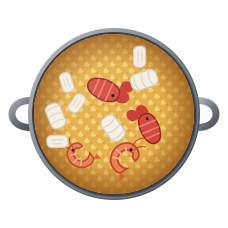
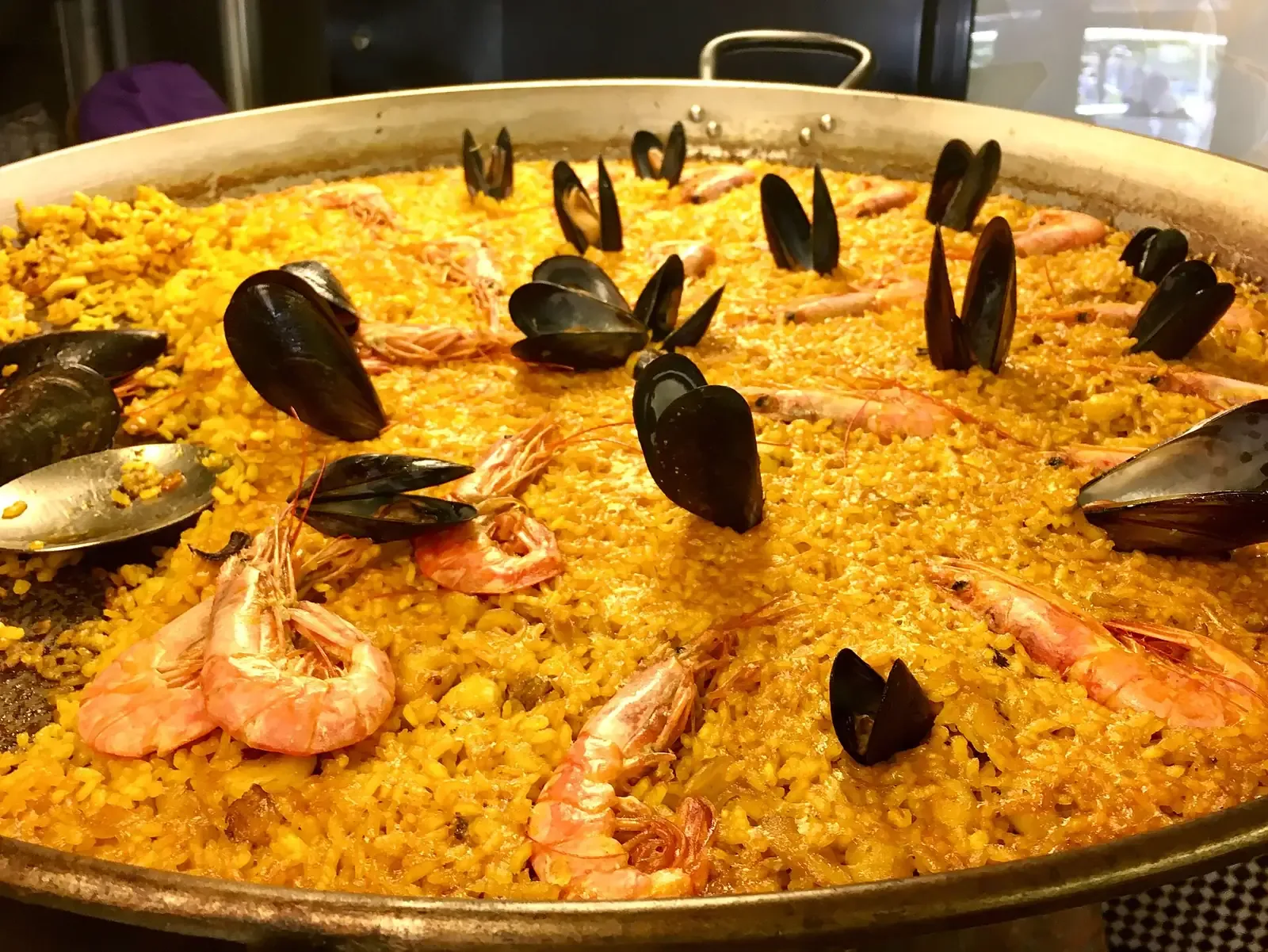
The seafood version took hold as paella moved from the fields to the coast. As rice cooking spread to beach eating houses at La Malva-rosa, El Grau de Castelló and the Albufereta d'Alacant in the late 19th and early 20th century, fish broth and shellfish replaced the meat. Beach restaurants such as La Pepica, which still cooks over open flame, made it famous with visitors. It is structurally close to arroz a banda and senyoret, but shell-on shellfish arranged on top is its visual signature.
Culinary science: shell-on shellfish are seared briefly at the start, so they colour the oil and leave fond on the pan, and then they are taken out so they don't overcook. They go back on top for the final minutes. Mussels and clams are opened separately and their strained liquor is added to the fumet, so no grit or overcooked bivalves end up in the rice.
03Local Town-by-Town Variations
- Valencia city / Malva-rosa: Rockfish fumet. Garlic, tomato and pebre roig. Sepia, prawns, cigalas, mussels. Lemon wedges are common in restaurants, although purists object.
- Alicante: Salmorreta base (ñora). Gamba roja de Dénia/Santa Pola is preferred.
- Castellón (Vinaròs / Benicarló): Galeres and llagostins of Vinaròs. In winter, Benicarló artichoke is common.
- La Safor (Gandia): Monkfish is often added, as in the fideuà tradition.
04The Master Recipe (4-Person Batch Blueprint)
Variant represented: Valencia coast canon.
The Flavor Base (El Fondo)
| Ingredient | Quantity |
|---|---|
| Rockfish fumet | 1.4 L |
| Sepia or squid, diced | 300 g |
| Red prawns | 8 |
| Cigalas | 4 |
| Mussels, scrubbed | 300 g |
| Olive oil | 90 ml |
| Garlic | 3 cloves |
| Ripe tomato, grated | 150 g |
| Pebre roig | 3 g |
| Saffron | 0.2 g |
Extraction: Steam the mussels open in 100 ml of water, strain the liquor into the fumet and take off the top shells. Sear the prawns and cigalas for 1 min per side and set them aside. Sear the sepia until it is caramelised (8 min). Add the garlic, then the pebre roig (5 s), then the tomato (5 min).
Assembly Ratios
| Element | Quantity |
|---|---|
| Short-grain rice | 400 g |
| Fumet (with mussel liquor) | 1.2–1.3 L |
Step-by-Step Cooking Blueprint
- Toasting: Add the rice to the sofrito and toast for 2 min.
- Liquid Addition: Add the boiling fumet and saffron. Stir once and check the salt.
- Fire Manipulation: High heat for 8 min, then medium-low for 6 min. At minute 14, arrange the prawns, cigalas and mussels on top. Finish with 2–3 min more on medium-low, then 1 min on high heat for the socarrat.
- Resting Phase: Rest 4 min. Serve with allioli.
05Authority Reference Links
- Wikipedia – Paella (variants and the Valencian naming debate)
- Barceló Guía – Paella valenciana (seafood version and coastal origins)
- Que.es – Paella de mariscos paso a paso
- Comunitat Valenciana – Paelles i arrossos (VA)
- BBC Travel (mirror) – Is this Spain's most authentic paella? (La Pepica, Malva-rosa)
صورة: nikonvscanon (Flickr) · CC BY 2.0 · عبر ويكيميديا كومنز